

Polar ice cap Increased
 GETTY
GETTY
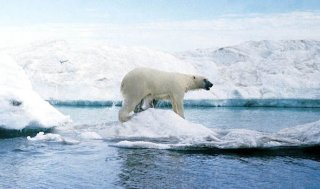
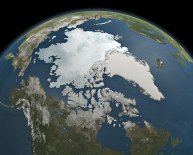
Boffins observed 33 per cent more ice as compared to average in 2013, and 25 percent more the year after.
Scientists say the latest numbers advise some of those losings might have been offset.
Arctic ice increased in volume by a third when you look at the autumn of 2013"The occasions of 2013 could have merely wound the clock back many years from the long-term design of decline, " the research's co-author Andy Shepherd, Professor of world Observation at UCL and Leeds University, stated.
The results, which come in the record Nature Geoscience, advise restricting carbon emissions might have a much greater influence on the earth than formerly expected, once the Arctic appears to respond rapidly to small environmental changes.
The events of 2013 has just wound the clock back many years regarding long-lasting pattern of decline
Increases in sea ice amount after one cool summer time indicates Arctic ocean ice can be even more resilient than formerly thought, scientists state.
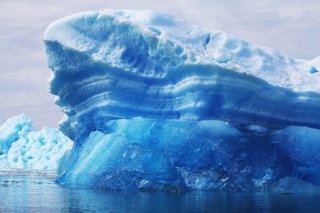 Researchers used 88 million measurements of ocean ice width recorded because of the European Space department's CryoSat-2 objective between 2010 and 2014.
They discovered that in 2013, there was a 5 % drop inside number of days by which melting occurred - leading scientists evaluate the existing circumstances to those associated with 1990s - whenever normal international temperatures had been reduced and ice melted at a slower price.
Lead writer Rachel Tilling, a PhD pupil from Centre for Polar Observation and Modelling at UCL, stated the outcome would-be key to accurately forecasting the location's leads.
TWITTER•RACHEL TILLING
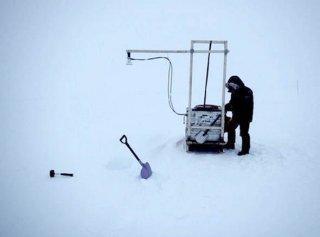
Report writer Rachel Tilling took this image while taking surface acute radar measurements A sled-dog puppy in Qaanaaq, Greenland, taken by Ms Tilling during her journeyMs Tilling said: "summer time of 2013 was a lot cooler than the past few years with temperatures typical of the noticed in the belated 1990s.
"This allowed thick water ice to persist northwest of Greenland since there were fewer days when it could melt.
"Although models have actually suggested that number of Arctic water ice is in long haul decline, we realize since it may recuperate by a significant amount if melting period is cut brief."
 The conclusions have been in stark contrast with internationally-recognised research regarding the results of weather modification in the world.
In 2012, Arctic summertime sea ice shrank to its lowest level on record, and it is said to be declining by 13 % each ten years.
And ice loss regarding the frozen landmass of Greenland doubled between 1996 and 2005.
Water levels have increased by seven inches within the last a century and nine of ten warmest summers on record have-been since 2000.
Prof Shepherd said: "comprehending exactly what manages the actual quantity of Arctic sea ice takes us one step nearer to making trustworthy forecasts of just how long it's going to endure, which can be crucial because it is an essential component of Earth's weather system.
"even though leap in volume means that the spot is unlikely to-be ice-free come july 1st, we nevertheless anticipate conditions to rise as time goes by.
"Our objective should guarantee we don't lose this original capacity to monitor Arctic sea ice when the objective comes to an end."
Relevant articles
Elena Polisano, an Arctic campaigner with Greenpeace, said: “The researchers explain their findings don't reverse the long-term decrease present in Arctic sea ice in the last decades so this study shouldn’t be studied to indicate the Arctic is not facing a huge danger – it really is.
"Arctic ocean ice is melting quickly, threatening types that stay there, affecting local communities and causing chaotic weather condition throughout the earth.
"We’re at risk of a situation where in actuality the Arctic is ice-free in the summer months, and that could possibly be damaging because of its, up to now scientifically unexplored, marine ecosystem.
"researchers are clear that if we want to avoid catastrophic degrees of climate change, we have to dramatically limit emissions, and soon.
"That means we can’t burn off all fossil fuels we curently have, therefore we certainly can’t manage to let businesses like Shell search to get more oil inside melting Arctic.“
Share this article
Related Posts

Latest Posts


